Twenty-six atolls, more than a thousand islands and an extraordinary collection of anchorages, reefs and remote lagoons. Explore the regions Atoll Villa knows best, then shape them into a private journey of your own.
Choose a length, an arrival point and the atolls you would like to see. Nothing here is a booking — it becomes a written proposal, considered by our charter team against season, sea state and what you have told us.
Step one — journey length
We have laid out the atolls our captain would sail for this length. Adjust them freely below.
Step two — starting point
Step three — end point
Step four — explore sample routes
Step five — order your stops
Add destinations from the list or the map, then drag them into the order you would like to sail them.
Selected route
Destinations
0
Estimated distance
0 nm
Estimated cruising
0 hrs
Suggested duration
0 nights
Your route currently includes 0 destinations, approximately 0 nautical miles and about 0 hours of cruising.
All figures are estimates. Routes shown are for journey-planning purposes only. Final navigation is determined by the captain according to weather, sea conditions, safety and local regulations.
Regions
The atolls, one by one
HOME WATERS
North Malé Atoll
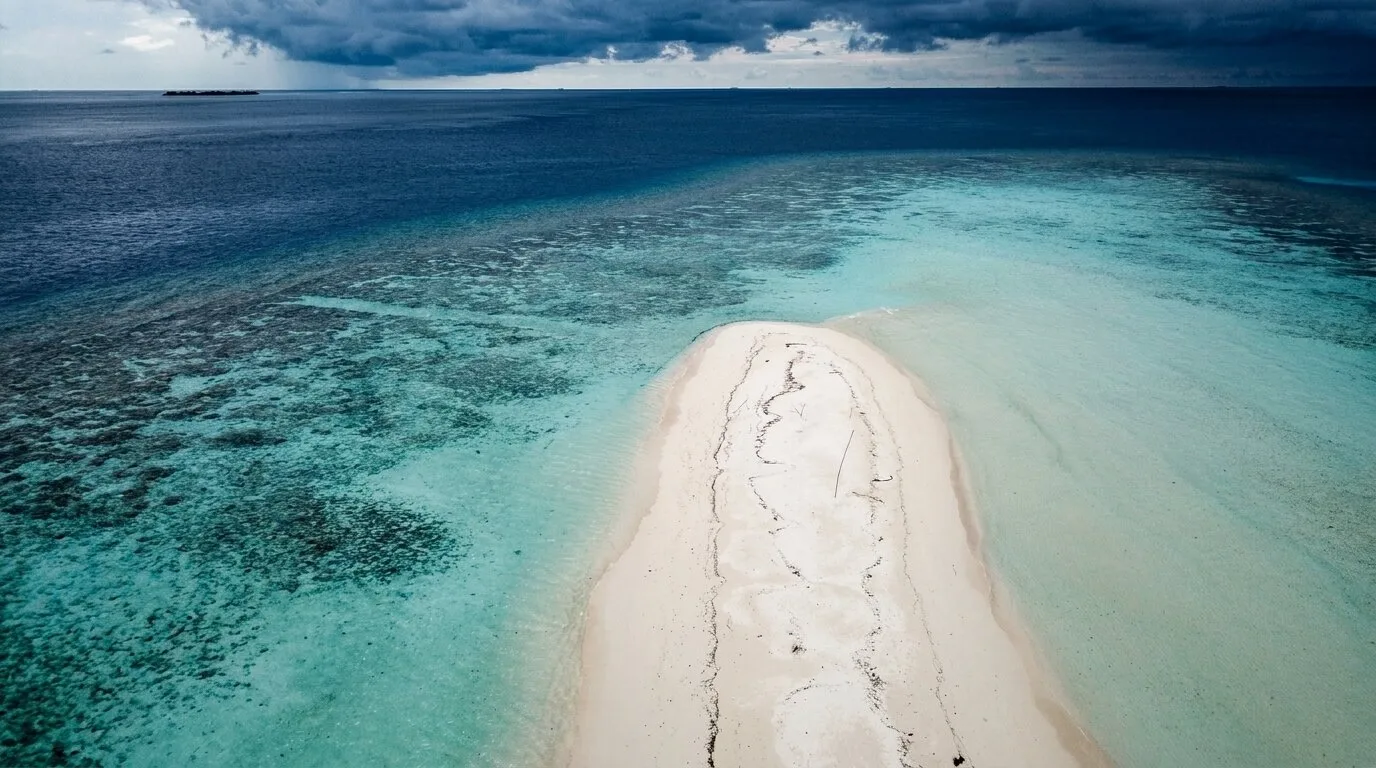
North Malé is where almost every journey begins and ends, and the atoll rewards anyone who slows down inside it. Kurumba's reef wall and the shoal of glassfish known locally as the Fish Tank sit within a short tender ride of the anchorage, while Himmafushi and Thulusdhoo keep working boatyards, board shapers and coffee shops that have nothing to do with resorts. Late afternoon usually belongs to a sandbank, a tray of cold things and the spinner dolphins that come through the channel as the light drops.
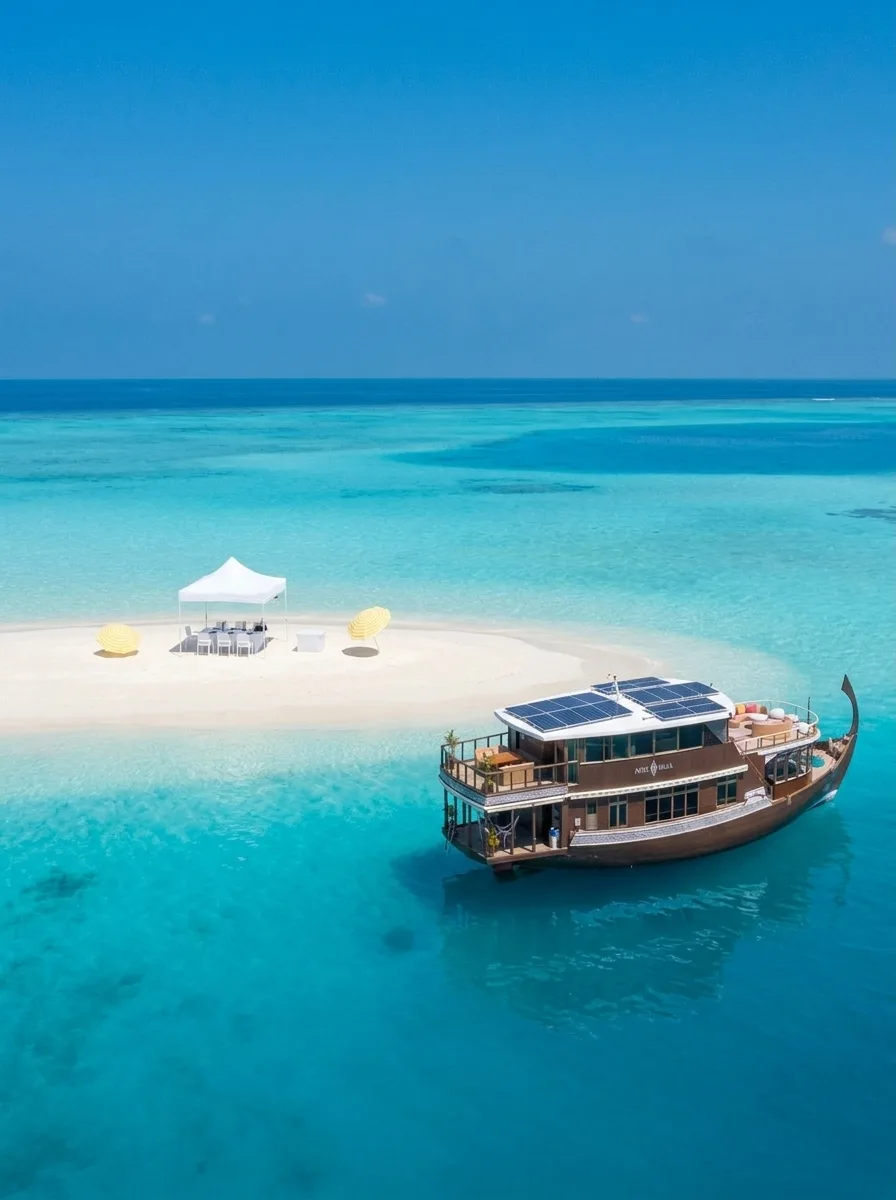
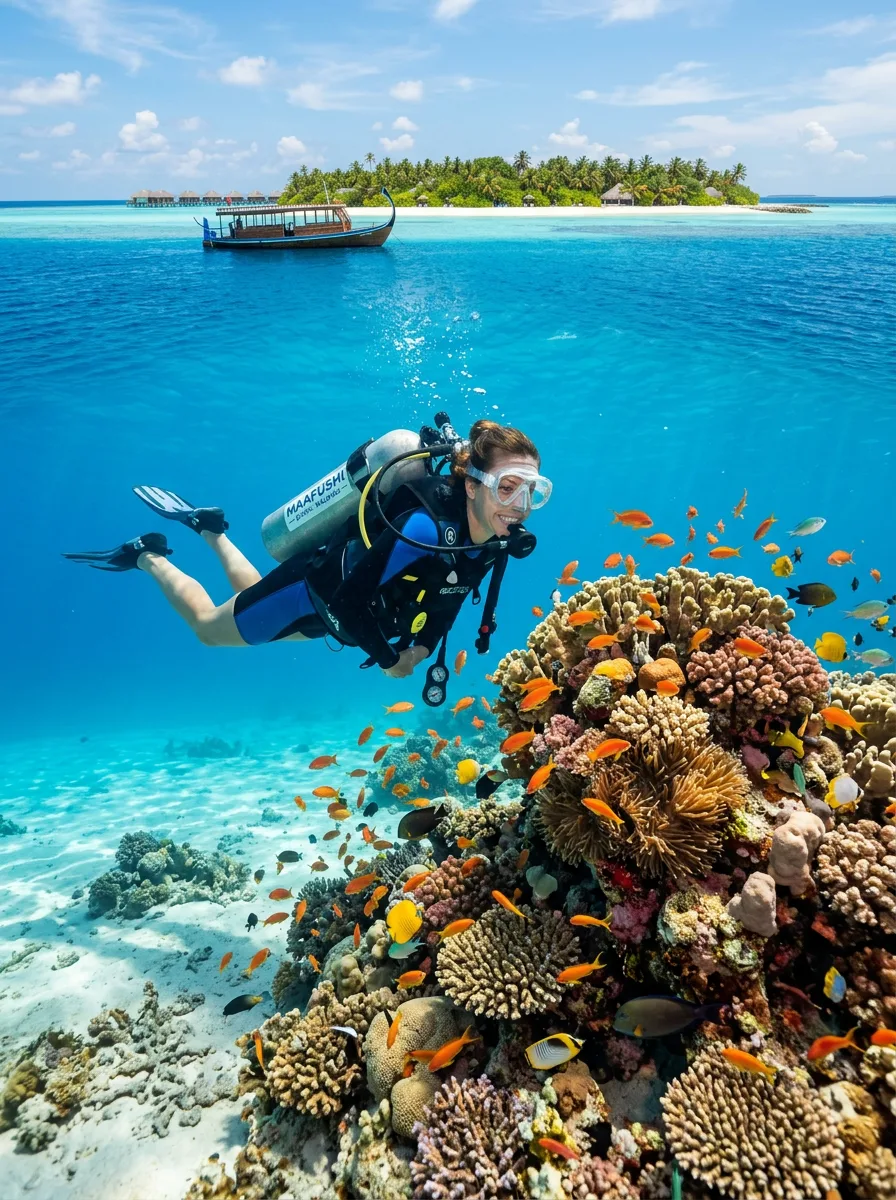
Cross the Vaadhoo channel and the pace changes. South Malé is narrower, greener and altogether less trafficked, with reef structure at Embudu and Fihalhohi that suits confident snorkellers and first-time divers equally. Maafushi, Gulhi and Guraidhoo are proper island communities rather than showpieces, and our crew know which house is baking that morning. Evenings here are made for hand-line fishing off the stern and dinner laid on a sandbank that will be gone again by the following week.
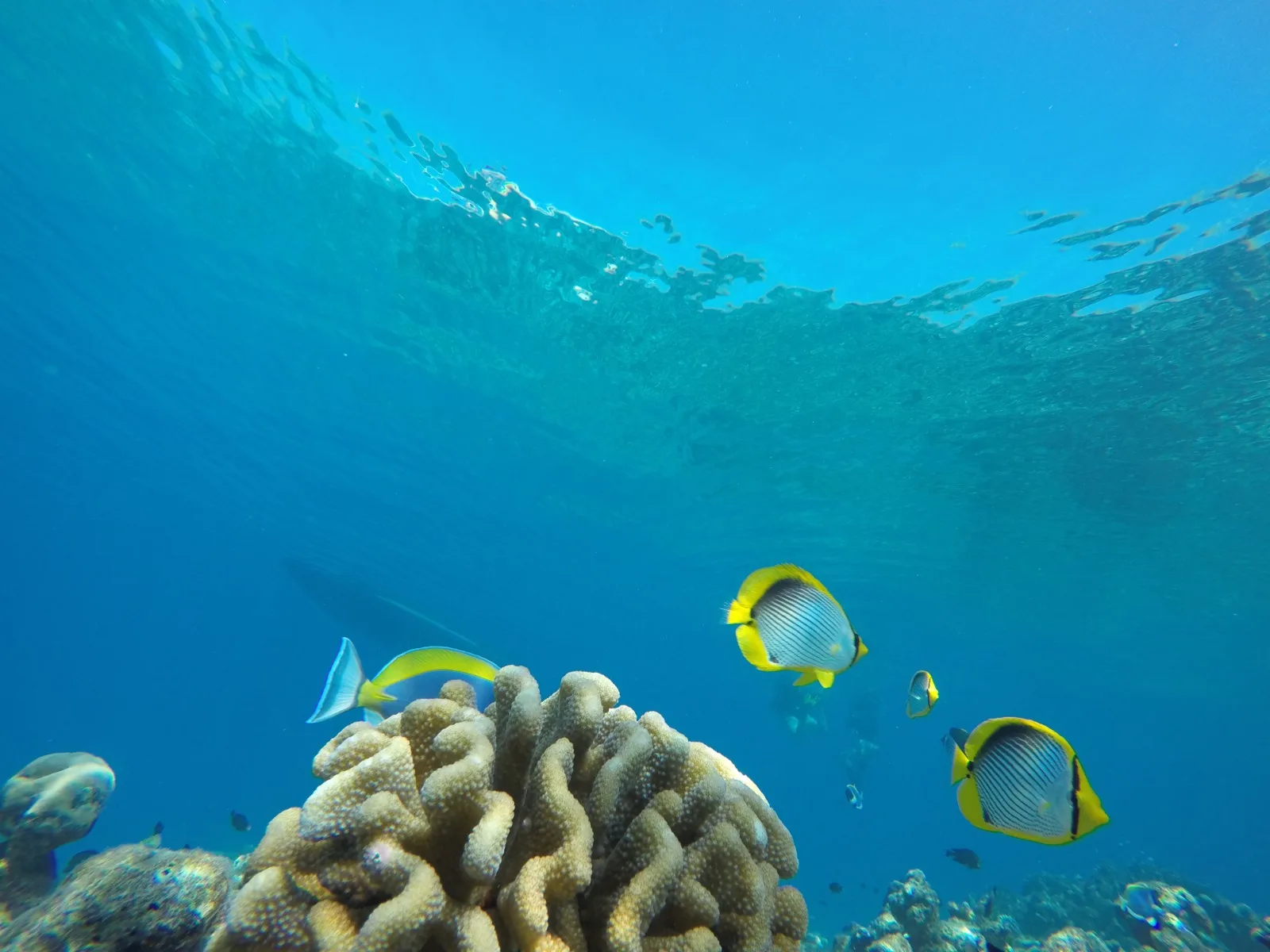
Vaavu is thinly populated, deeply cut by channels, and famous among divers for Miyaru Kandu, where the current draws grey reef sharks and eagle rays along the wall. What visitors remember, though, is the night: at Alimathaa, nurse sharks and stingrays gather in the shallows in numbers that feel implausible until you are standing in the water among them. Fulidhoo, with its sand streets and drum circles, is the most charming island stop in the central atolls.
North Ari opens out into some of the widest, palest lagoons in the country. Bathala and the reefs around Ukulhas hold the atoll's best coral, largely because Ukulhas has run one of the Maldives' most serious island conservation programmes for over a decade. Mathiveri and Thoddoo add farmland, watermelon fields and a genuinely different island economy. Between June and October the manta cleaning stations here work almost daily.
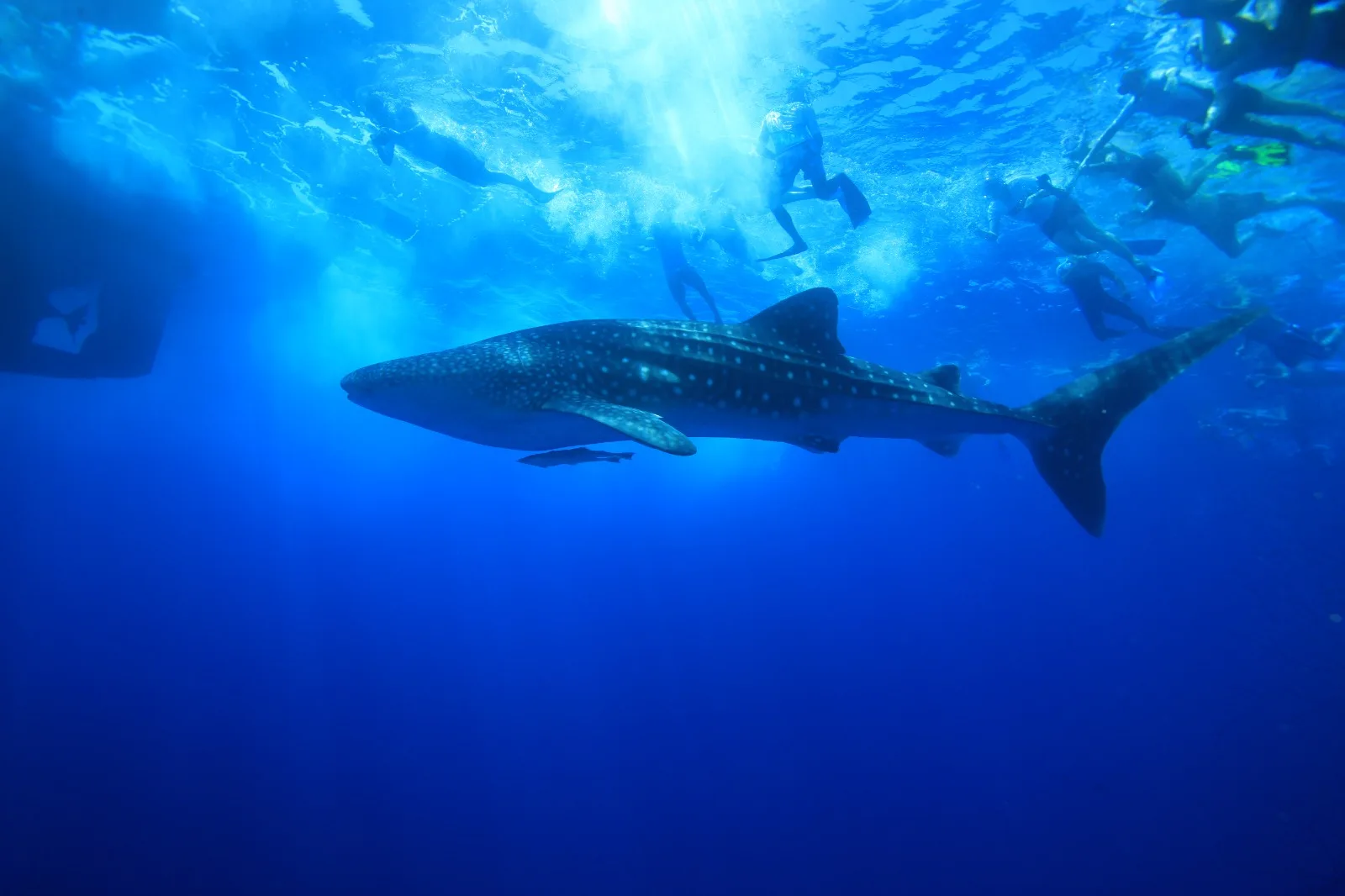
The outer reef between Dhigurah and Maamigili is a protected marine area and the only place in the archipelago where whale sharks are seen throughout the year. Mornings are given to the search — slow, patient, with the crew reading the water — and afternoons to the sandbanks and drop-offs that make South Ari worth the passage even without a sighting. Dhigurah's three-kilometre spit of sand is the finest walk in the central Maldives.
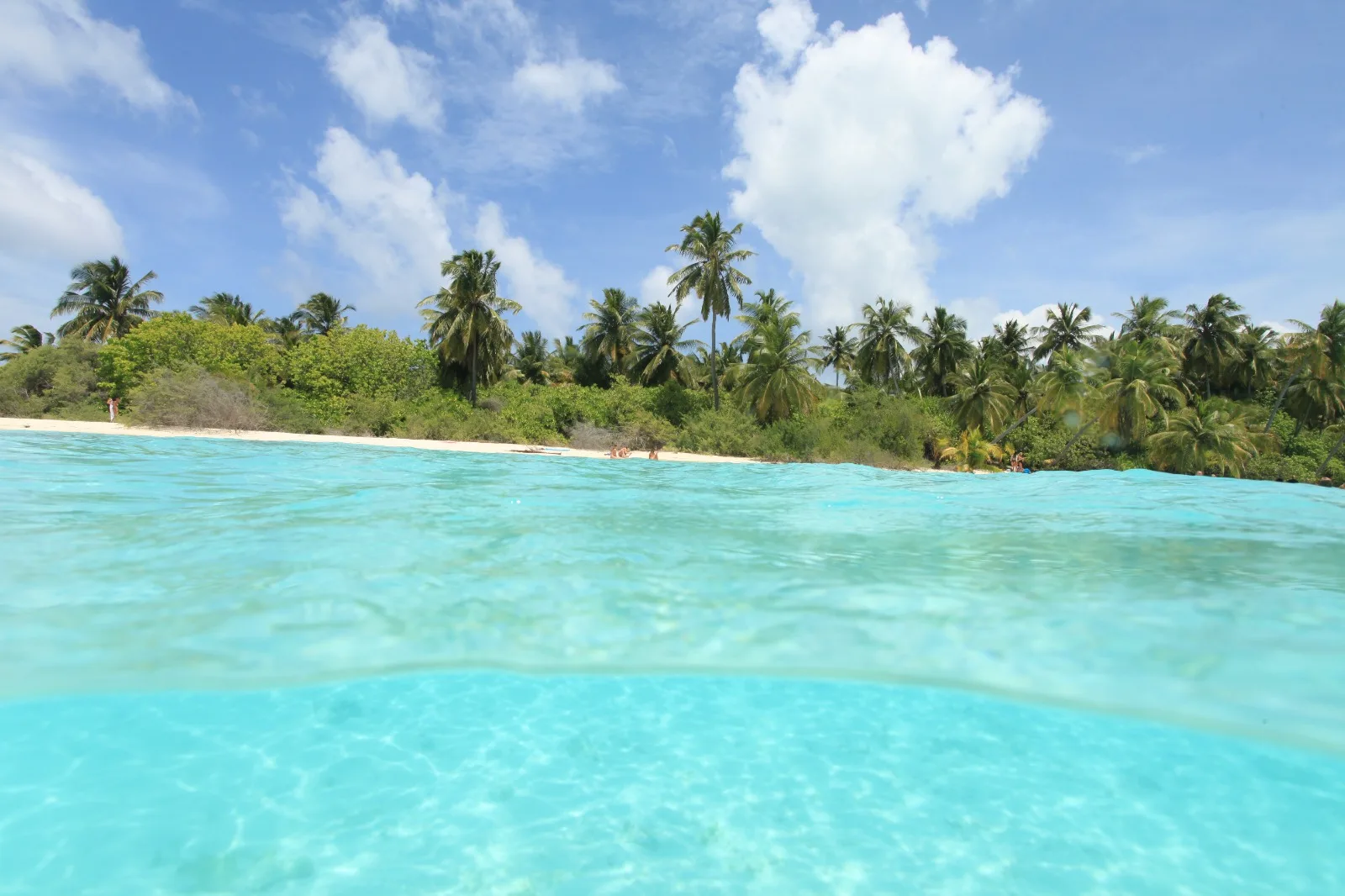
Rasdhoo is barely more than a handful of islands and a rim of reef, but Madivaru Corner draws divers from across the country for the pre-dawn descent where scalloped hammerheads pass in the deep blue. Later in the day the atoll softens completely: an empty sandbank inside the lagoon, turtles on the reef flat and a village where the whole population fits along one street.
From Hulhumalé we routinely cruise North and South Malé, Vaavu, Ari, Baa, Lhaviyani and Raa, and longer charters can push further north or south. Distances are covered overnight wherever possible, so the hours you are awake are spent at anchor rather than under way.
When is the best time of year to sail?+
The dry northeast monsoon, roughly December to April, brings the calmest water and the clearest visibility, and suits first-time visitors and photographers. The southwest monsoon, May to November, is greener and livelier, with short warm rain and the plankton blooms that bring mantas into Hanifaru Bay. Neither season is a compromise; they simply reward different intentions.
Can we visit local islands as well as reefs?+
Yes, and we encourage it. Fishing villages, coral-stone mosques, boat-building yards and small markets give a charter its sense of place. Visits are arranged respectfully with a Maldivian guide, at times of day that suit the community as much as the itinerary, and modest dress is asked for ashore.
Is the route fixed before we sail?+
A proposed route is agreed before departure so you know the shape of the week, but the captain adjusts it daily against wind, swell and marine-life reports. That flexibility is the single greatest advantage of travelling by yacht here — you are never committed to one island's weather.